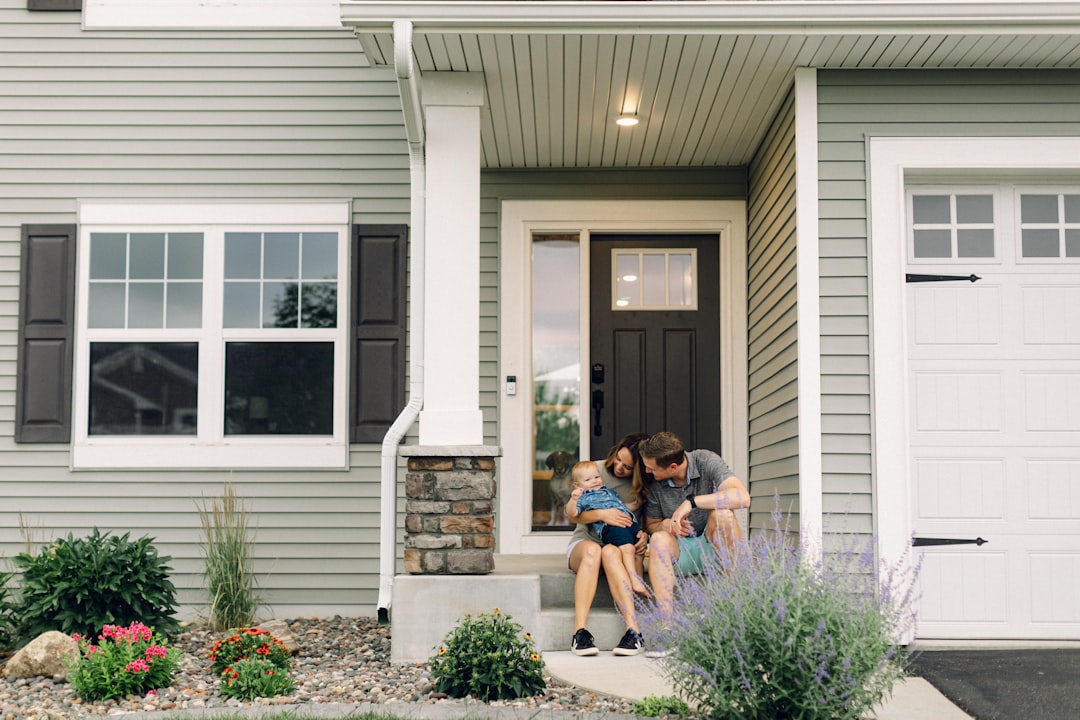
If you've served this country, you've earned one of the most powerful home-buying benefits in existence, and using it on a brand-new home in Tampa Bay might be the smartest financial move you make this decade. I've helped veterans navigate this process for over two decades, and I can tell you: the VA loan is hands-down the best mortgage product available for new construction. Zero down. No PMI. Competitive rates. But the process has quirks that trip up even experienced buyers.
This isn't a generic overview. This is the complete, no-BS guide to using your VA benefit on new construction in the Tampa Bay area, from choosing your builder to collecting your keys.
Why New Construction Is Ideal for VA Buyers
Before we get into the mechanics, let me tell you why new construction and VA loans are a natural fit in Tampa Bay right now.
Lower insurance costs. Florida homeowners insurance is brutal on older homes. New construction built to current Florida Building Code, which is one of the strictest in the country, qualifies for significantly lower premiums. I've seen veterans save $2,000 to $4,000 per year on insurance alone by going new versus resale.
No immediate repair costs. Your VA appraisal requires the home to meet Minimum Property Requirements (MPRs). With a resale home, MPR failures can kill deals or require costly repairs before closing. New construction meets MPRs out of the box, it's brand new.
Builder warranties. Most Tampa Bay builders offer a 1-year workmanship warranty, 2-year systems warranty, and 10-year structural warranty. That's three layers of protection you don't get with a resale home.
Energy efficiency. New homes in Tampa Bay come standard with impact-rated windows, spray-foam or advanced insulation, high-SEER HVAC systems, and ENERGY STAR appliances. Your monthly utility bills will be significantly lower than a comparable resale home.
What Makes VA Loans Different for New Construction
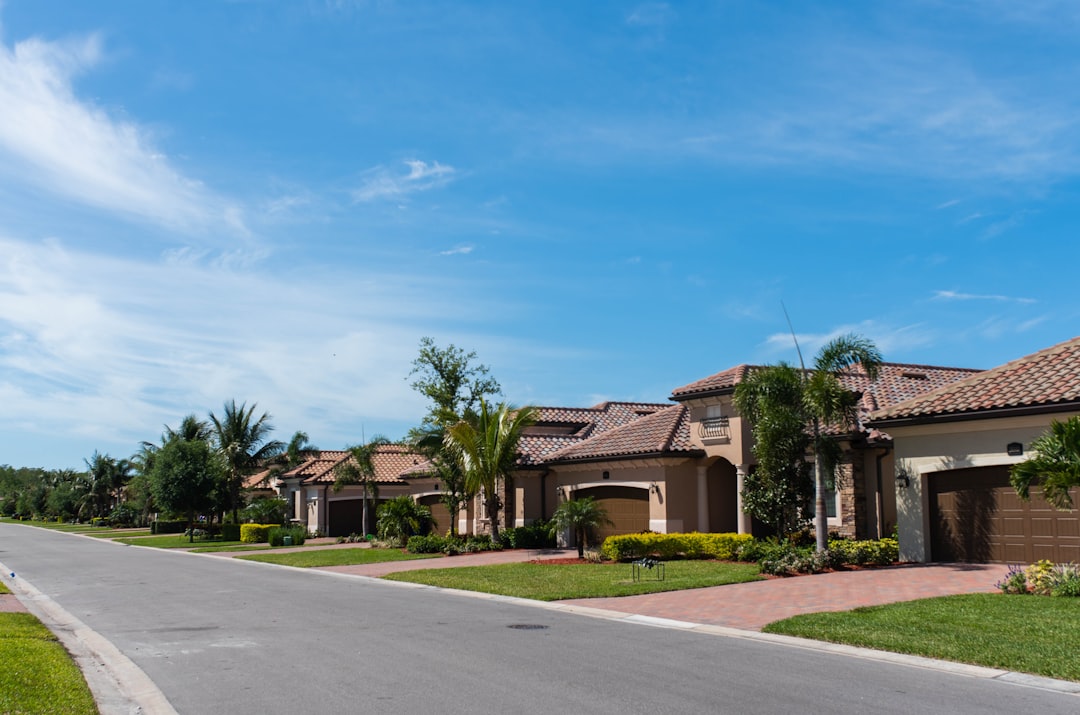
The VA loan program offers zero-down-payment financing, no private mortgage insurance, and competitive interest rates to eligible veterans, active-duty service members, National Guard and Reserve members, and surviving spouses. When you apply those benefits to new construction, the rules shift in ways that matter.
The builder must be VA-registered. Before a VA loan can fund, the builder must be registered with the U.S. Department of Veterans Affairs. This isn't optional and it can't be waived.
The home must be complete before the VA appraisal. Unlike conventional loans where you might close on a home still in the punch-list phase, the VA requires the home to be substantially complete: all systems operational, certificate of occupancy issued, before the appraiser can do the final inspection.
Seller (builder) concessions have specific limits. The VA allows builders to contribute up to 4% of the purchase price toward closing costs and concessions. This is separate from discount points, which are treated differently. Understanding these limits protects you from structured deals that don't actually comply.
VA-Registered Builders in Tampa Bay
Most of the major national and regional builders active in Tampa Bay are already VA-registered. From my experience working with veterans across the region, these builders consistently handle VA transactions well:
- D.R. Horton: America's largest builder, extensive VA experience across all their brands including Express Homes
- Lennar, Their Everything's Included model works well with VA buyers since there are fewer upgrade cost surprises
- Pulte Homes: Strong VA track record, particularly in Pasco and Hillsborough counties
- Taylor Morrison, Consistent quality and good VA appraisal coordination
- KB Home, Built-to-order model with ENERGY STAR certification on every home
- M/I Homes, Whole Home Building Standards align well with VA requirements
- Ryan Homes, NVR's in-house lending arm is familiar with VA processing
- Meritage Homes, Energy-efficient construction helps with lower operating costs
- Smith Douglas Homes, Affordable price points that work well within VA entitlement limits
Important: Don't assume any builder is VA-registered. Always verify directly and get written confirmation before signing a purchase agreement. If a builder isn't registered, they can apply, but it adds time to your timeline.
Custom and smaller regional builders may or may not be registered. If you're looking at a custom build with AR Homes or a smaller local builder, confirm registration status early.
Construction-to-Permanent Loans vs. End Loans
Veterans buying new construction have two financing paths. Understanding the difference matters because it affects your timeline, your out-of-pocket costs, and which lenders you can work with.
End Loans (Most Common)
With an end loan, the builder funds construction using their own capital. You don't get involved with the mortgage until the home is near completion, typically 30 to 60 days before the projected closing date. At that point, you apply for your VA loan, the home is appraised, and you close once everything is finalized.
This is the model used by virtually every production builder in Tampa Bay. It's cleaner, simpler, and doesn't require you to qualify for a construction loan. If you're buying from Lennar, D.R. Horton, Pulte, Taylor Morrison, or any of the major builders, this is your path.
Construction-to-Permanent Loans
A construction-to-permanent (C2P) loan means you close once at the beginning, finance the build phase, and the loan converts to a permanent VA mortgage when construction is complete. This approach is more common with custom builds or smaller builders who don't self-finance construction.
Fewer lenders offer VA construction-to-permanent products, and the approval process is more involved. If this is your path, start shopping for a lender early, don't wait until you've already committed to a builder.
The Builder's Preferred Lender vs. Your Own
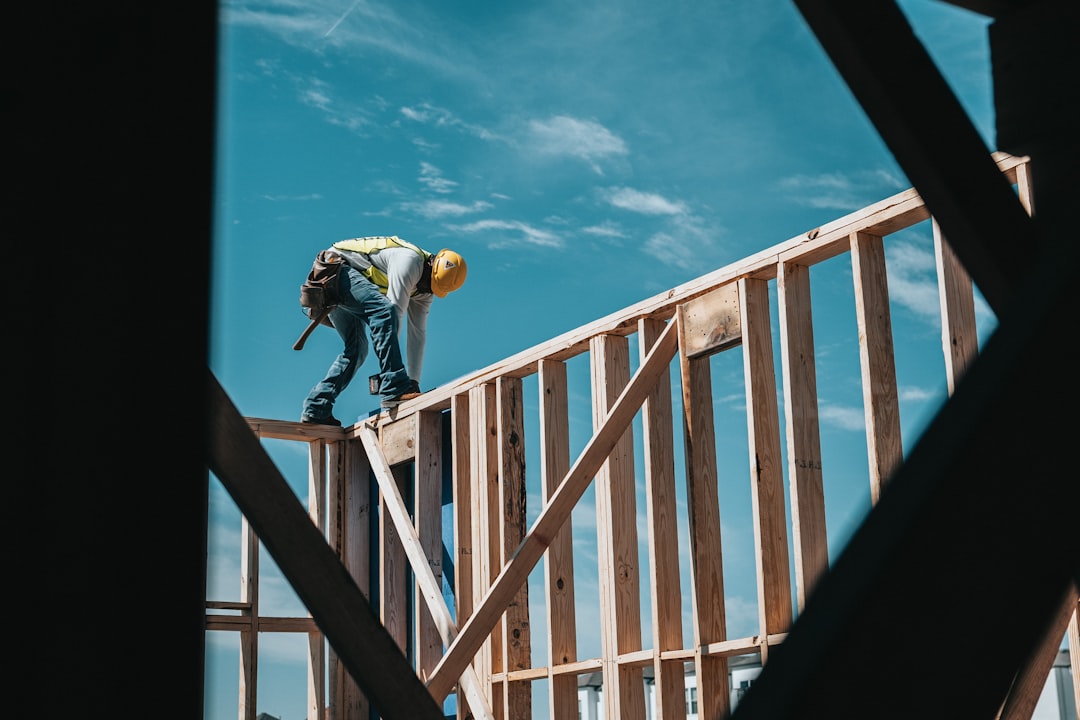
This is one of the biggest decision points for VA buyers in new construction, and it's where I see the most money left on the table.
Builders offer incentives: closing cost credits, rate buydowns, design center upgrades, that are often tied to using their in-house or preferred lender. Those incentives can be worth $10,000 to $30,000 or more. That's real money.
But here's what the builder's sales agent won't tell you: the builder's preferred lender doesn't always offer the best VA rate. I've seen cases where a veteran could get a VA rate 0.25% to 0.5% lower from an independent VA-specialist lender, a difference that saves far more over 30 years than the builder's incentive is worth.
My advice: Get a Good Faith Estimate (Loan Estimate) from the builder's preferred lender AND from at least one independent VA lender. Compare the total cost of the loan: not just the rate, but the fees, the total interest over the loan term, and the value of any builder incentives. Then make your decision based on numbers, not pressure.
Read more in my guide to builder lender credits.
VA Appraisals and Minimum Property Requirements
The VA appraisal serves two purposes: establishing market value and confirming the property meets the VA's Minimum Property Requirements (MPRs). For new construction, this means:
- All major systems must be operational (HVAC, plumbing, electrical)
- The home must have a certificate of occupancy (CO) from the local building department
- No safety hazards, structural deficiencies, or incomplete work that affects habitability
- Adequate drainage, proper grading, and no standing water issues
- Working appliances, functional doors and windows, and intact flooring
New construction almost always passes the MPR check: the home is brand new, built to code, and has already been inspected by the building department. Where delays happen is in scheduling: the VA appraisal can't be ordered until the home is essentially finished, and VA appraisers in high-demand markets like Tampa Bay can have backlogs.
Pro tip: Ask your lender to order the VA appraisal the moment the builder confirms the home will have its CO within two weeks. Don't wait for the builder to tell you it's time, be proactive about getting on the appraiser's schedule.
The VA Funding Fee: What Veterans Need to Know
The VA funding fee is a one-time charge that helps sustain the VA loan program. The amount depends on several factors:
| Down Payment | First Use | Subsequent Use |
|---|---|---|
| 0% down | 2.15% | 3.3% |
| 5% down | 1.5% | 1.5% |
| 10%+ down | 1.25% | 1.25% |
Key exemptions: Veterans with a service-connected disability rating of 10% or higher, Purple Heart recipients on active duty, and surviving spouses receiving Dependency and Indemnity Compensation (DIC) are exempt from the funding fee. This saves thousands of dollars: on a $400,000 home with zero down, the funding fee would be $8,600.
Make sure your exemption is documented before closing. If you close without the exemption applied, getting a refund is possible but takes time and paperwork.
The funding fee can be rolled into your loan amount, so it doesn't require cash at closing.
Your Certificate of Eligibility (COE)
Before you do anything else, pull your Certificate of Eligibility. Three ways to get it:
Your COE confirms your eligibility, shows your available entitlement, and indicates whether you're exempt from the funding fee. Get this in hand before you start shopping for builders or communities.
Step-by-Step: Buying New Construction with a VA Loan in Tampa Bay
Here's the process from start to finish:
Tampa Bay Communities Popular with Veterans
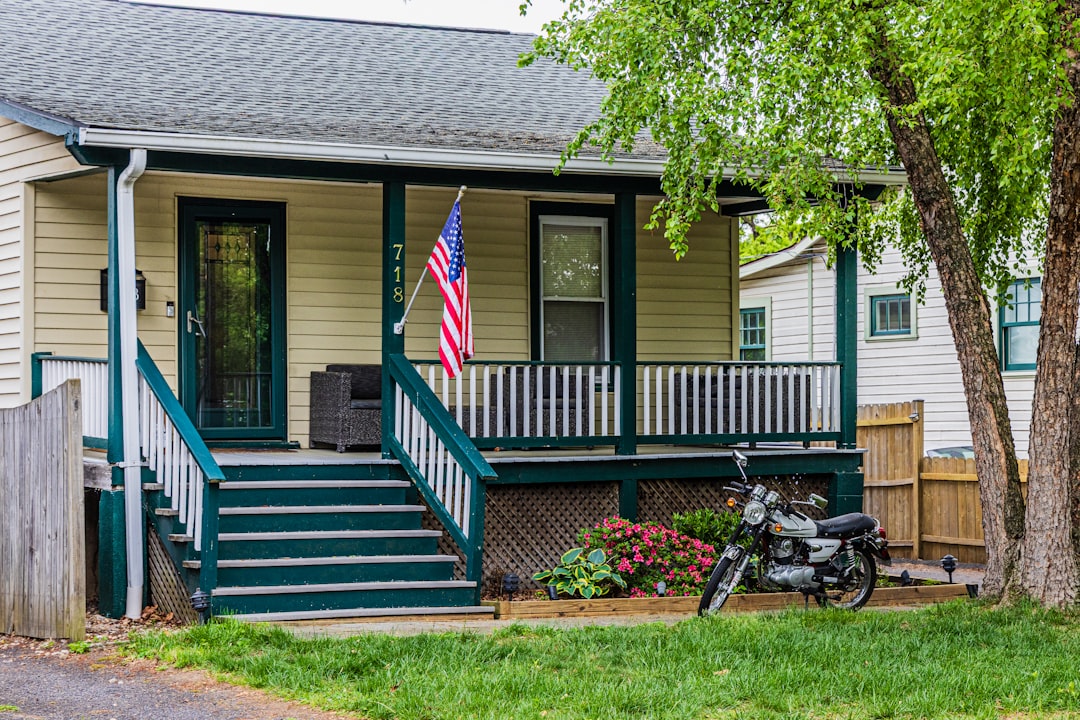
Tampa Bay is home to MacDill Air Force Base, and our veteran community is one of the strongest in the country. Several new construction communities are especially popular with VA buyers:
- Communities near MacDill AFB: Waterset in Apollo Beach, Indigo Creek in Apollo Beach, and communities in Riverview like Spencer Glen and Triple Creek
- Affordable options for first-time VA buyers: Ruskin Preserve in Ruskin (from the mid-$260s), Towns at Woodsdale in Wesley Chapel, and communities in Spring Hill and Brooksville
- Family communities in top school districts: Chapel Crossings in Wesley Chapel, Bexley in Land O' Lakes, Starkey Ranch in Odessa
- 55+ communities for retired veterans: Regency at Waterset by Toll Brothers, Del Webb Bexley in Land O' Lakes
Common Mistakes Veterans Make with New Construction VA Loans
After 23+ years of real estate experience, I've seen every mistake in the book. Here are the ones that cost veterans the most:
Why You Need Independent Buyer Representation
When you walk into a builder's sales office, the agent sitting across from you works for the builder. They're trained to sell you a home at the highest price with the most upgrades possible. That's their job.
Having your own buyer's agent, especially one who understands VA financing and new construction, changes the dynamic entirely. Your agent reviews the contract before you sign, negotiates terms the builder's agent would never suggest, coordinates with your VA lender, advocates during the inspection process, and ensures your interests come first at every step.
And here's the best part: it costs you nothing. The builder pays the buyer's agent commission. You get expert representation at zero additional cost. There's no reason not to have someone in your corner.
Learn more about why you need an agent for new construction →
FAQ
Can I use a VA loan to buy a new construction home in Tampa Bay?
Yes. As long as the builder is VA-registered and the home meets the VA's Minimum Property Requirements, you can use your VA benefit on a brand-new home. Most major production builders in Tampa Bay are already registered.
Do I need to use the builder's preferred lender for a VA loan?
No. You always have the right to choose your own lender. Builder incentives may be tied to their preferred lender, but that doesn't mean it's the best deal overall. Compare loan estimates from at least two lenders before deciding.
How long does it take to close on new construction with a VA loan?
With an end loan (most common), you typically start the loan process 30-60 days before the home is projected complete. From application to closing, expect 30-45 days, but construction delays can push everything back.
What happens if the VA appraisal comes in low?
An appraisal gap means the VA appraiser valued the home below the contract price. VA rules limit what you can be required to pay above appraised value. Your agent can negotiate with the builder to reduce the price, or you may be able to make up a small difference. This is rare with new construction but does happen in rapidly appreciating markets.
Can I use my VA loan benefit more than once?
Yes. VA loan eligibility can be restored and reused, sometimes multiple times. If you've previously used your VA benefit, your lender can help you understand your remaining entitlement.
Is the VA funding fee required for all veterans?
No. Veterans with a service-connected disability rating of 10% or higher, Purple Heart recipients, and surviving spouses receiving DIC are exempt. The exemption saves thousands, make sure it's documented before closing.
What Tampa Bay counties have the most new construction for VA buyers?
Pasco County (Wesley Chapel, Zephyrhills, Land O' Lakes) and Hillsborough County (Riverview, Apollo Beach, Plant City) have the highest concentration of new construction communities. Hernando County (Spring Hill, Brooksville) offers the most affordable price points.
Ready to use your VA benefit on a new construction home in Tampa Bay? Contact Barrett for a free consultation. With 23+ years of real estate experience and deep knowledge of Tampa Bay's builders and VA loan process, I'll help you navigate every step, from choosing the right community to closing with your full benefits intact. Free to you. The builder pays my commission.
Browse all Tampa Bay builders → | Search communities → | Call (813) 692-9099
Have Questions About New Construction?
Barrett represents buyers, not builders. Get independent advice, free to you.